
Thermal Drone Inspections in Minnesota for Roofs, Solar Panels, and Equipment

Thermal drone inspections in Minnesota have become a vital tool for property owners, facility managers, and industrial teams looking to detect hidden building and equipment problems. These inspections use infrared technology mounted on drones to detect issues that are invisible to the naked eye. From identifying roof leaks and heat loss to spotting electrical faults and equipment problems, thermal drone inspections Minnesota offer a faster, safer, and more accurate way to maintain buildings and infrastructure.
In this article, I’ll explain how thermal drones work, the industries that benefit from them, and why aerial thermal inspections outperform traditional methods. I’ll also share practical examples like drone roof inspection, solar panel thermal inspection, and industrial thermal drone inspection to help you understand their real-world value.

thermal roof inspection Minnesota
How Thermal Drone Inspections Work
Thermal drones combine drone technology with infrared cameras to capture heat signatures from surfaces. Unlike regular cameras, infrared sensors detect temperature differences, which appear as color variations on thermal images. This allows inspectors to spot problems such as moisture intrusion, heat leaks, or overheating equipment without physical contact.
Here’s the basic process:
Flight Planning: The drone operator plans the flight path to cover the entire inspection area efficiently.
Data Collection: The drone flies over the site, capturing thermal images and videos.
Analysis: The thermal data is reviewed to identify anomalies like cold spots on roofs or hot spots on electrical panels.
Reporting: A detailed report with images and recommendations is provided to the client.
This method reduces the need for ladders, scaffolding, or shutdowns, making inspections safer and less disruptive.
Industries Using Thermal Drone Inspections in Minnesota
Several industries in Minnesota rely on thermal drone services to keep their assets in top shape:
Property Management and Building Inspection
Property owners and building inspectors use drone roof inspection to detect leaks, missing insulation, and water damage early. This helps prevent costly repairs and extends roof life.
Solar Energy Companies
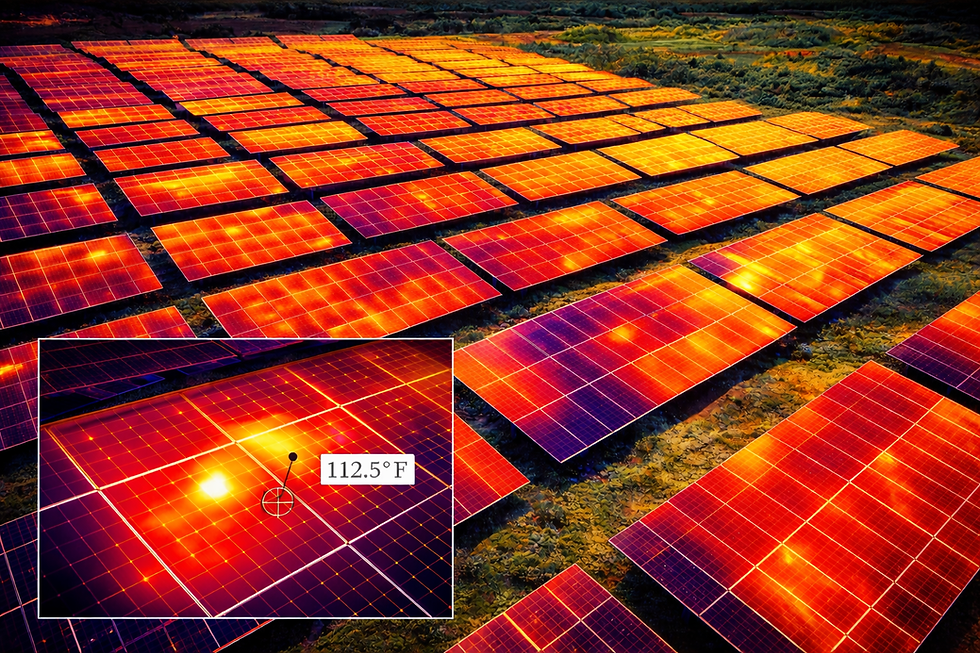
Solar panel thermal inspection identifies malfunctioning or damaged panels by spotting temperature differences. This ensures solar arrays operate at maximum efficiency.
Industrial Facilities and Manufacturing
Industrial thermal drone inspection monitors equipment like motors, transformers, and pipelines for overheating or faults. Early detection reduces downtime and maintenance costs.
Agriculture and Environmental Monitoring
Though less common, thermal drones also help monitor crop health and detect irrigation issues by measuring heat patterns.
Benefits of Aerial Thermal Inspections Compared to Traditional Methods
Thermal drone inspections offer several advantages over conventional inspection techniques:
Safety
Inspectors avoid climbing roofs or entering hazardous areas. Drones can access hard-to-reach spots without risk.
Speed and Efficiency
Large areas can be surveyed quickly, reducing inspection time from days to hours.
Accuracy
Infrared cameras detect problems invisible to the naked eye, improving diagnosis and repair planning.
Cost Savings
Less labor and equipment rental lower inspection costs. Early problem detection prevents expensive damage.
Minimal Disruption
Inspections can occur without shutting down operations or disturbing occupants.
Examples of Thermal Drone Inspections in Action
Drone Roof Inspection
Minnesota’s harsh weather can cause roof damage that leads to leaks and energy loss. Drone roof inspection uses infrared imaging to find:
Moisture trapped under roofing materials
Missing or damaged insulation
Areas of heat loss indicating poor sealing
This helps property managers schedule repairs before leaks cause structural damage.
Solar Panel Thermal Inspection
Solar panels can develop hotspots due to cell damage or wiring issues. A solar panel thermal inspection detects these by showing temperature variations across the array. This allows solar companies to:
Identify faulty panels quickly
Improve energy output
Plan maintenance without manual checks on each panel
Industrial Thermal Drone Inspection
Factories and plants use thermal drones to monitor equipment health. For example, infrared drone inspection can reveal:
Overheated motors or bearings
Electrical faults in switchgear
Leaks in insulated pipes or tanks
This proactive approach reduces unexpected breakdowns and extends equipment life.
solar panel thermal drone inspection
How to Get Started with Thermal Drone Services in Minnesota
If you manage property or equipment in Minnesota, here’s how to begin using thermal drone inspections:
Identify Your Needs
Determine if you need roof inspections, solar panel checks, or industrial equipment monitoring.
Find Certified Thermal Drone Services Minnesota
Look for providers with FAA-certified pilots and experience in thermal imaging.
Schedule an Inspection
Coordinate a time that minimizes disruption to your operations.
Review the Report
Use the detailed thermal images and analysis to plan repairs or maintenance.
Repeat Regularly
Schedule periodic inspections to catch issues early and maintain asset health.
FAQ About Thermal Drone Inspections
How accurate are thermal drone inspections?
Thermal drones provide highly accurate temperature readings, allowing precise detection of leaks, heat loss, and equipment faults. Accuracy depends on the quality of the infrared camera and operator expertise.
Can thermal drones inspect all roof types?
Yes, thermal drone inspections work on flat, pitched, metal, and shingle roofs. They are especially useful for large or complex roofs where manual inspection is difficult.
Are thermal drone inspections affected by weather?
Thermal imaging works best in dry conditions and when there is a temperature difference between the surface and the environment. Early morning or late evening flights often yield the best results.
How often should I schedule thermal drone inspections?
For roofs and solar panels, annual inspections are common. Industrial equipment may require more frequent checks depending on usage and criticality.
Is drone heat loss detection useful for energy audits?
Absolutely. Thermal drone inspections can identify insulation gaps and air leaks, helping improve building energy efficiency.
Professional Thermal Drone Inspection Services in Minnesota
Thermal drone inspections provide a safe and efficient way to detect roof leaks, electrical faults, insulation problems, and equipment failures before they become costly repairs. Businesses across Minnesota rely on aerial infrared inspections to monitor buildings, solar farms, and industrial facilities.
SkyView Drone Services MN provides professional thermal drone inspections for commercial buildings, solar energy systems, and infrastructure throughout Minnesota. Our advanced thermal imaging drones deliver accurate data that helps property owners identify issues early and reduce maintenance costs.
Businesses often use industrial thermal drone inspections to monitor equipment and detect overheating components.

Comments