
Understanding Residential Drone Inspections for Homes: Drone Home Inspection Services
When it comes to maintaining a home, safety and thoroughness are key. Traditional inspections can be time-consuming and sometimes risky, especially when it involves climbing roofs or accessing hard-to-reach areas. This is where drone home inspection services come in. They offer a fast, efficient, and safe way to assess the condition of a property from above. I want to share what I’ve learned about these services and how they can benefit homeowners, contractors, and professionals alike.
What Are Drone Home Inspection Services?
Drone home inspection services use unmanned aerial vehicles equipped with cameras and sensors to inspect residential properties. These drones can capture high-resolution images and videos of roofs, gutters, chimneys, siding, and other exterior features. Some drones also have thermal imaging capabilities to detect heat loss or moisture issues.
The main advantage is that drones can access areas that are difficult or dangerous for humans to reach. This reduces the risk of accidents and speeds up the inspection process. For example, a roofer can quickly identify damaged shingles or leaks without climbing onto the roof. A property manager can monitor multiple buildings efficiently.
These services are especially useful in Minnesota and neighboring states, where weather conditions can affect the integrity of homes. Fast, professional drone inspections help catch problems early, saving time and money on repairs.

Benefits of Using Drone Home Inspection Services
Drone home inspection services offer several practical benefits:
Safety: No need to climb ladders or roofs. Drones handle the hard-to-reach spots.
Speed: Inspections that once took hours can be done in minutes.
Accuracy: High-resolution images and thermal data provide detailed information.
Cost-effective: Reduces labor costs and potential damage from manual inspections.
Documentation: Provides clear visual records for insurance claims or real estate transactions.
For example, insurance professionals can use drone footage to verify damage after a storm. Real estate agents can showcase a property’s condition with aerial photos. Contractors can plan repairs with precise data.
Using drones also minimizes disruption to homeowners and tenants. The inspection is quick and non-invasive, allowing normal activities to continue.
Can You Report a Drone Flying Over Your Property?
Many people wonder about privacy and safety when drones fly near their homes. It’s important to know your rights and the rules governing drone use.
In general, drones operated by licensed professionals for inspections follow strict regulations. They fly at safe altitudes and avoid invading privacy. However, if you notice a drone flying suspiciously low or hovering over your property without permission, you can report it.
Here are steps to take if you want to report a drone:
Document the drone: Note the time, location, and any identifying features.
Contact local authorities: Report the incident to your local police or sheriff’s office.
Reach out to the FAA: The Federal Aviation Administration handles drone regulations and complaints.
Check local laws: Some municipalities have specific drone ordinances.
Professional drone inspection companies operate transparently and respect privacy. If you hire a service, ask about their compliance with FAA rules and local laws.
How Residential Drone Inspections Work
When you schedule a drone home inspection, the process is straightforward:
Initial consultation: Discuss your needs and property details with the service provider.
Flight planning: The drone operator plans the flight path to cover all necessary areas.
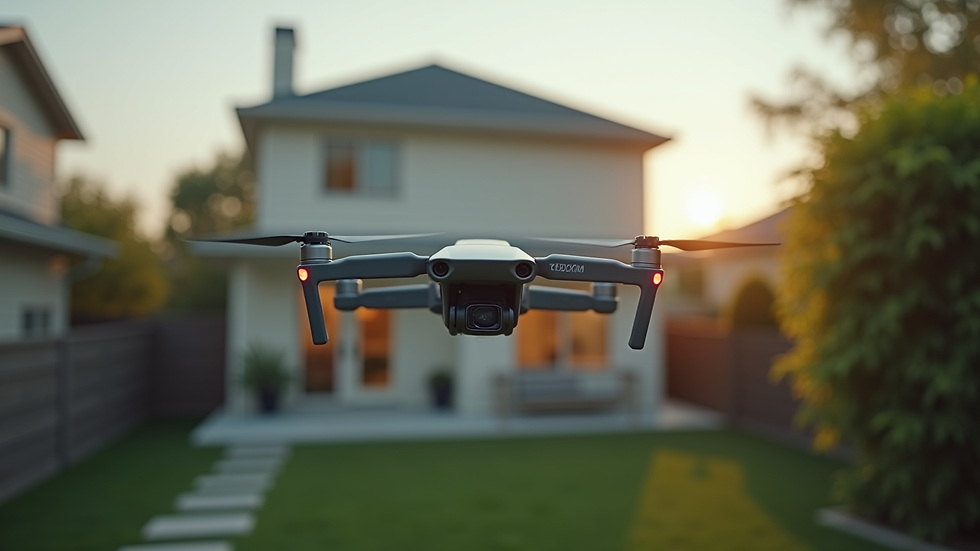
On-site inspection: The drone flies over the property, capturing images and data.
Data analysis: The operator reviews the footage and identifies any issues.
Report delivery: You receive a detailed report with photos, videos, and recommendations.
The entire process usually takes less than an hour for a typical home. For larger properties or complex inspections, it may take longer.
Some inspections include thermal imaging to detect hidden problems like water leaks or insulation gaps. This adds another layer of insight that traditional inspections might miss.
Using residential drone inspections ensures you get a comprehensive view of your home’s condition without the hassle or risk of manual checks.
Practical Tips for Homeowners and Professionals
To get the most out of drone home inspection services, consider these tips:
Choose a licensed operator: Verify the company’s credentials and FAA certification.
Prepare your property: Clear obstacles like tree branches or loose debris that might interfere with the drone.
Communicate your concerns: Let the operator know if you want specific areas checked.
Review the report carefully: Use the detailed images and notes to plan repairs or maintenance.
Schedule regular inspections: Annual or bi-annual drone inspections can catch issues early.
For contractors and roofers, drone inspections can improve project planning and client communication. For real estate professionals, aerial photos enhance listings and provide transparency.
Municipalities and utility companies also benefit from drone inspections for infrastructure monitoring and maintenance.
The Future of Home Inspections with Drones
Drone technology continues to evolve. We can expect more advanced sensors, longer flight times, and better data integration. This will make drone home inspection services even more valuable.
In the near future, drones might perform automated inspections with AI analysis, providing instant reports. Integration with building management systems could allow real-time monitoring of property conditions.
For now, drones offer a practical, efficient solution for home inspections. They reduce risk, save time, and provide detailed information that helps maintain property value and safety.
If you want a fast, professional inspection, consider drone home inspection services. They are changing how we care for our homes and properties.
By embracing drone technology, we can protect our investments and ensure safer, smarter property management. Whether you are a homeowner, contractor, or insurance professional, drone inspections offer a clear advantage.


Comments